The Slave Trade
The Portuguese, in the 16th century, was the first to engage in the Atlantic slave trade.
In 1526, they completed the first transatlantic slave voyage to Brazil, and other Europeans soon followed.
The major Atlantic slave trading nations, were the Portuguese, the British, the French, the Spanish, the Dutch Empires, and the Danish.
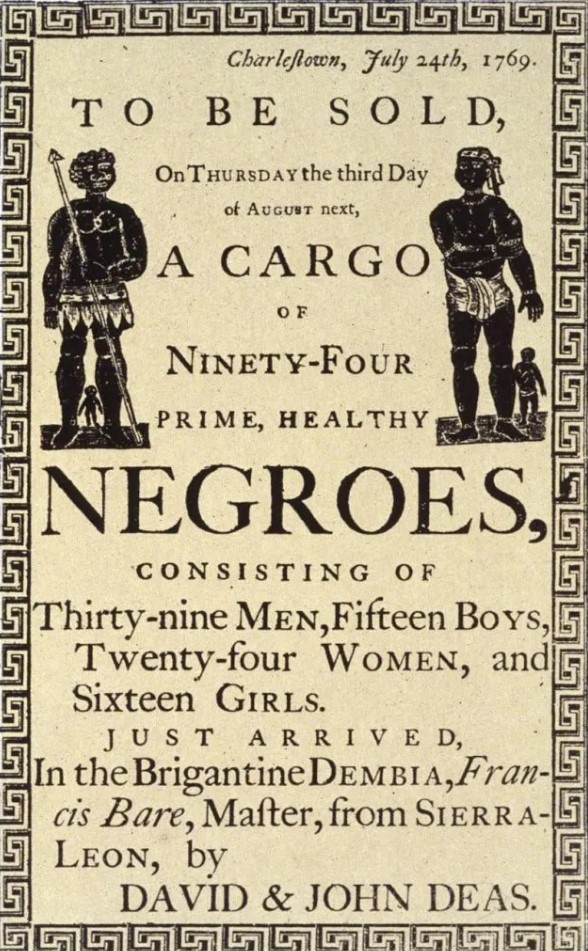
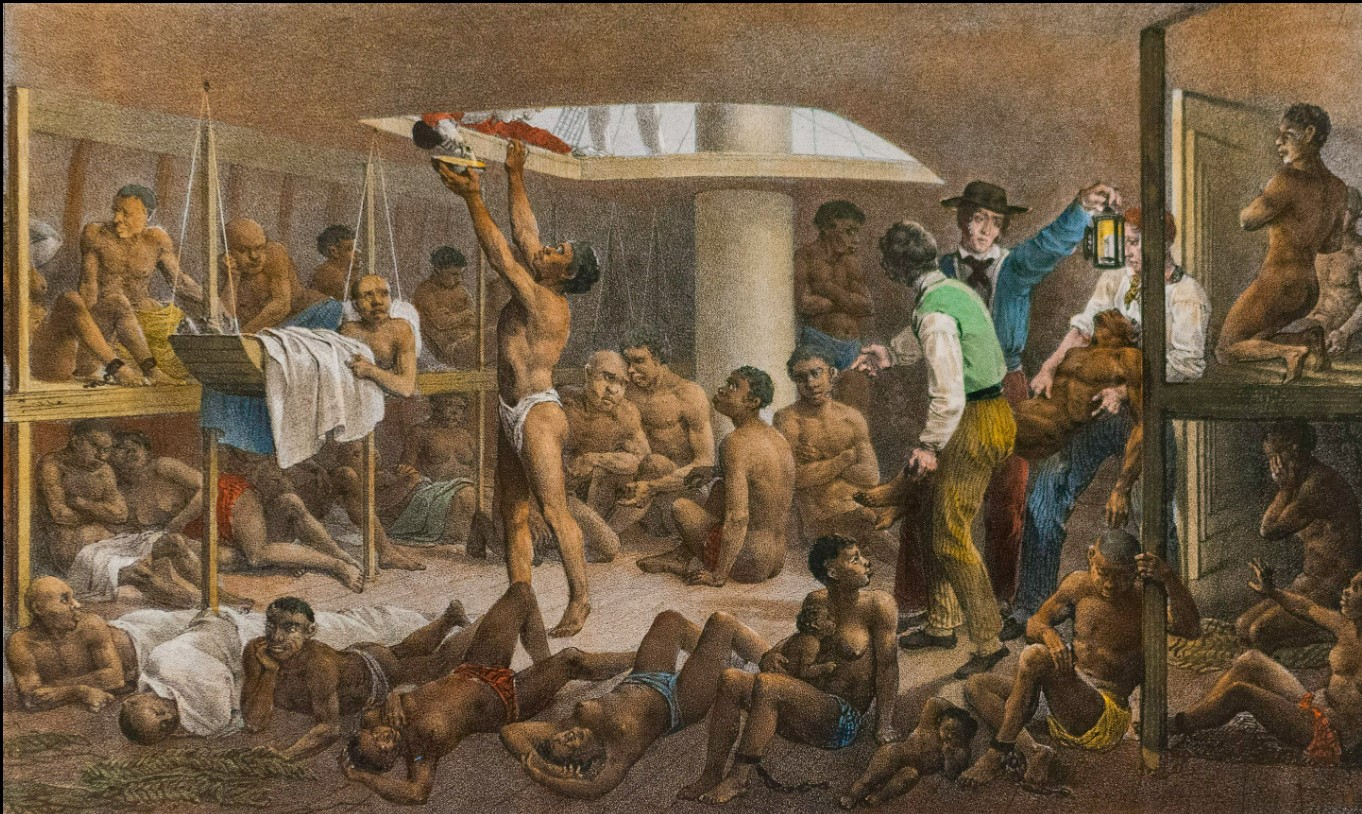
Current estimates are that about 12 million to 12.8 million Africans were shipped across the Atlantic over a span of 400 years. The passage had a high death rate with approximately 1.2–2.4 million dying during the voyage and millions more died in transit camps in the Caribbean after arrival to the New World.
Many died due to harsh treatment. The slaves were treated as commodities and not as human beings. Near the beginning of the 19th century, various governments acted to ban the trade, although illegal smuggling still occurred.
British merchants were among the largest participants in the Atlantic slave trade and British owners living within the home British isles, as well as within its colonies, owned African slaves.
After a long campaign for abolition led by William Wilberforce, Parliament prohibited the practice by, passing the Slave Trade Act 1807 which was enforced by the Royal Navy's West Africa Squadron. Britain used its influence to persuade other countries around the world to abolish the slave trade and signed treaties to allow the Royal Navy to interdict their ships.
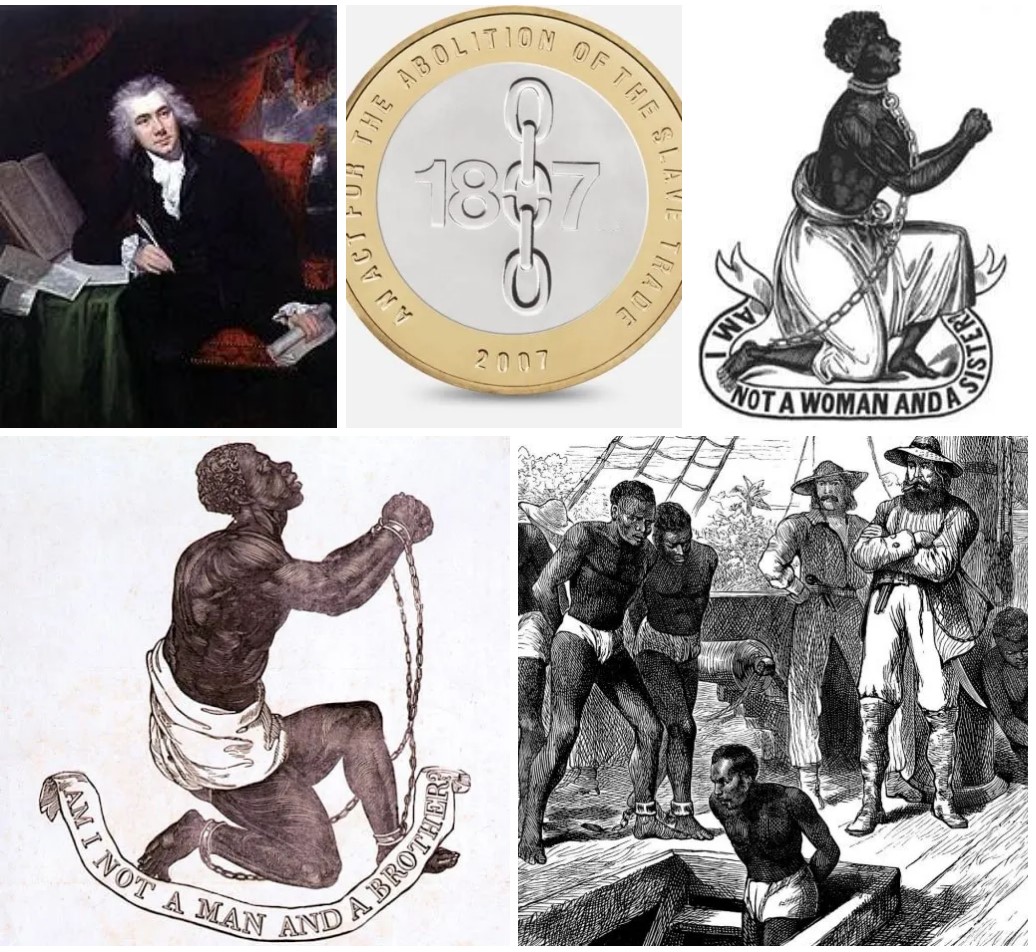
Greatest philosopher Adam Smith was against slavery on humanitarian and ethical grounds. He lectured his students that "... we may see what a miserable life the slaves must have led; their life and their property entirely at the mercy of another, and their liberty, if they could be said to have any, at his disposal also"
ABOUT
We are the first in video courses in Life in the UK Test preperation and in Driving Theory Test Preperation.
Created with © thegreatbritishlife.com